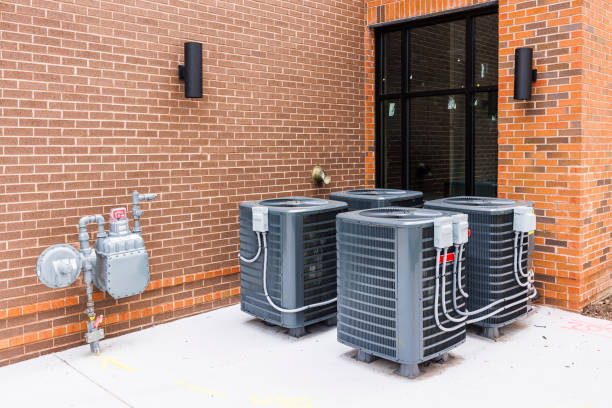
Practical Choices for Comfortable, Efficient Heating and Cooling Year-Round
Homeowners benefit from understanding the broad landscape of HVAC decisions before a project begins. Start by clarifying comfort goals, indoor air priorities, and energy expectations. Define rooms that struggle with temperature swings, note noise tolerance, and identify electrical or space limitations. With these needs documented, you can scope the right mix of AC Installation and Repair, Heating Installation and Repair, or upgrades that tighten building performance without overspending or overcomplicating the system.
Planning begins with load considerations, not just square footage. Assess window exposure, insulation levels, air leakage, and occupancy patterns to right-size equipment. Oversized systems short-cycle and under-dehumidify, while undersized units struggle on peak days. A thoughtful load review aligns capacity with reality, shaping whether a single central system, a Heat Pump Installation, or a blend of solutions best handles year-round weather swings at your property.
Materials and placement affect outcomes as much as equipment ratings. Verify duct integrity and sizing, since airflow bottlenecks erase efficiency gains. Inspect return paths, seal obvious gaps, and validate that supply registers deliver evenly to each zone. Meanwhile, consider filtration and humidity strategy early, because filter cabinets, UV enhancements, and dehumidifiers have footprint and service-clearance needs that should be staged before walls close or finishes go in.
Workflow on installation day rewards preparation. Sequence tasks to protect indoor finishes and minimize downtime: stage equipment, clear attic or crawl routes, pad outdoor locations, and confirm electrical disconnects. Then calibrate thermostat placement away from direct sunlight and drafts to prevent misreads. In practice, small positioning tweaks can eliminate nuisance cycling, reduce hot-cold spots, and extend component life by avoiding unnecessary runtime.
Budgeting requires balancing first cost with lifecycle value. Compare seasonal efficiency, warranty coverage, and expected maintenance cadence across options, and buffer funds for duct sealing or minor electrical updates. Often, a mid-tier system installed correctly outperforms a premium unit hampered by poor airflow. Finally, include a maintenance plan line item; planned service protects the investment, keeps efficiency on target, and reveals issues before they become breakdowns.
Seasonal timing influences both pricing and convenience. Off-peak windows may allow faster scheduling, but weather access matters for roof or yard placements. Beyond that, think through temporary cooling or heating if a switchover requires a full day. Document thermostat programs and equipment start-up procedures so the first week of operation feels predictable, not experimental, especially during the season you rely on it most.
System selection should match building layout and comfort priorities. Ductless AC Installation can serve additions, bonus rooms, or home offices without extending ductwork, while central systems offer whole-home distribution. Heat pumps shine in mixed climates by delivering both heating and cooling with one set of components. When fuel type, utility rates, and envelope tightness are reviewed together, the final design aligns efficiency with comfort and noise expectations.
Indoor Air Quality Services complement temperature control by managing particulates, odors, and moisture. Evaluate filtration MERV targets alongside blower capability to avoid static pressure penalties. Then validate humidity plans, especially in spaces with hardwoods, instruments, or sensitive finishes. However, remember maintenance: filters, UV lamps, and condensate lines need periodic attention. A simple service calendar keeps the air clean and the equipment running as designed.
Documentation closes the loop after installation. Capture model numbers, filter sizes, breaker labels, and thermostat settings. Inspect clearances for future service access, and take photos of hidden runs or junctions before they’re obscured. Meanwhile, confirm drain slopes, insulation wraps, and vibration isolation. These details reduce noise, prevent water issues, and ease future repairs, turning a new system into a dependable, well-understood asset.
Long-term care is straightforward when tasks are spaced through the year. Replace filters on schedule, rinse outdoor coils each spring, and validate condensate flow before cooling season. Then schedule a professional tune-up to refine charge, test safeties, and verify airflow. With a consistent plan, HVAC systems meet comfort targets reliably, lower surprise costs, and maintain value throughout their service life.